The information on this website is general in nature and does not take into account your objectives, financial situation, or needs. Consider seeking personal advice from a licensed adviser before acting on any information.
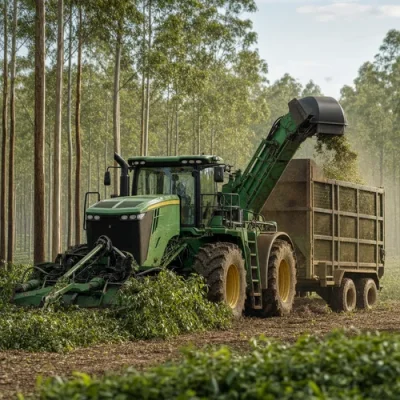
Australia is renowned for its vast plantations and thriving forestry industry. These operations require sophisticated machinery to efficiently manage and harvest resources. From tractors to harvesters, farm machinery plays an important role in supporting modern plantation and forestry operations.
Introduction to Farm Machinery Finance in Australia
Understanding the financial aspects of acquiring machinery is an important part of business planning for many plantation and forestry operations. Farm machinery finance may assist eligible businesses in purchasing equipment without requiring the full upfront purchase cost, depending on the finance product and individual circumstances. This may help businesses manage cash flow while investing in equipment that supports their operational needs.
In recent years, many Australian farming businesses have explored financing as one way to fund machinery purchases. Factors such as changing technology, evolving business requirements and economic conditions may influence how businesses choose to acquire equipment. The suitability of any finance option will depend on individual business objectives, financial circumstances and operational needs.
Understanding Your Equipment Needs
Identifying suitable equipment is an important step in plantation and forestry operations. With a wide range of machinery available, businesses may wish to assess which equipment best supports their current activities and future plans. Machinery such as tractors, loaders, harvesters and specialised forestry equipment each serve different operational purposes.
When evaluating machinery, businesses may wish to consider factors such as reliability, durability, operating costs and available technology. The most suitable equipment will depend on the scale of the operation, intended use and long-term business objectives.
Assessing both current and future operational requirements may also assist when determining financing needs. Balancing budget considerations with operational requirements can help businesses evaluate finance options that align with their individual circumstances.
Types of Farm Machinery Loans Available
When considering finance for farm machinery, there are several options available, each with different features and ownership structures. Understanding how these products operate may assist businesses when comparing finance options.
A chattel mortgage allows the borrower to take ownership of the machinery while the equipment serves as security for the loan. Depending on the lender and finance arrangement, fixed or variable interest rates may be available.
Hire purchase agreements generally allow businesses to use the machinery while making repayments over an agreed term, with ownership typically transferring once all contractual obligations have been met.
Equipment leasing allows businesses to use machinery for an agreed period while the lender retains ownership. Depending on the lease arrangement, this option may provide flexibility for businesses that regularly update equipment.
The most appropriate finance option will depend on a range of factors, including operational requirements, cash flow, business objectives and the features of each finance product.
Applying for a Farm Machinery Loan
Applying for a farm machinery loan generally involves preparing financial information and supporting documentation for a lender's assessment. This may include financial statements, tax returns, details of existing liabilities and, where relevant, information about the intended use of the equipment.
Some lenders may also consider business plans or cash flow forecasts when assessing an application. Providing accurate and up-to-date information may assist lenders in understanding the financial position of the business.
Before entering into a finance arrangement, borrowers may wish to consider the total cost of ownership, including ongoing expenses such as maintenance, insurance and operating costs, as well as comparing available finance products and loan terms.
Managing Financial Risks
Understanding Interest Rates and Repayment Terms
Understanding interest rates, repayment structures and broader business cash flow is an important part of evaluating any finance arrangement. Fixed interest rates may provide greater repayment certainty, while variable rates may change over the life of the loan. The most suitable option will depend on individual circumstances and business preferences.
Strategies for Managing Cash Flow During Loan Repayment
Managing cash flow throughout the loan term may also assist businesses in meeting ongoing financial commitments. Some businesses choose to regularly review budgets and allow for unexpected operating expenses or seasonal fluctuations when planning repayments.
The Impact of Depreciation on Your Equipment Investment
Machinery will generally depreciate over time, which may influence its value and broader business financial planning. Businesses may wish to consider depreciation, maintenance requirements and equipment replacement cycles when evaluating long-term machinery investments. Where taxation implications are relevant, independent tax advice should be obtained.
Benefits of Investing in Modern Machinery
Modern machinery may assist plantation and forestry businesses in improving operational efficiency through advances in technology, automation and equipment performance. The benefits achieved will depend on how the machinery is used, the nature of the operation and other business factors.
Newer equipment may also reduce maintenance requirements or improve resource efficiency when compared with older machinery, although operating costs and performance will vary between equipment types and individual businesses.
Many modern machines are designed with features intended to improve fuel efficiency or reduce environmental impact. Businesses considering new equipment may wish to evaluate these features alongside operational requirements, whole-of-life costs and broader business objectives.
Conclusion and Next Steps
Farm machinery finance is one of several options available to help plantation and forestry businesses acquire equipment. Understanding the different finance products, evaluating business needs and considering the costs and obligations associated with each option may assist businesses when comparing available solutions.
As finance products and technology continue to evolve, regularly reviewing available options may help businesses identify products that align with their operational requirements and financial circumstances. Where appropriate, independent professional advice may also assist in assessing whether a particular finance product is suitable for an individual business.
This article provides general information only and does not take into account individual objectives, financial situations or business needs.
FAQs About Farm Machinery Financing
Common questions about farm machinery finance often relate to the different types of finance available, application requirements and the costs associated with borrowing. The most suitable finance option will depend on factors such as business objectives, cash flow and operational requirements.
When researching finance options, businesses may wish to compare lenders, understand the features and obligations of each product and ensure they are aware of the total costs involved before entering into a finance arrangement.
Government resources, industry associations and lenders may provide additional general information about agricultural finance products. Businesses seeking advice about their individual circumstances may also wish to consult an appropriately qualified professional
Published: Thursday, 2nd Jul 2026
Author: Paige Estritori



Matching repayments to seasonal cash flow is probably the biggest one for forestry operators, especially when maintenance and fuel costs don’t wait for income to land. I’d be keen to see a bit more on how lenders look at used machinery under farm machinery finance, as that’s often the more realistic option.