


Livestock Farming: Farm Machinery Finance
Livestock farming is a major part of Australian agriculture, with operations ranging across cattle, sheep, poultry and other livestock enterprises. Machinery finance can help eligible farmers consider ways to fund equipment used for feeding, handling, transport, fencing, water systems and day-to-day livestock operation management. - read more

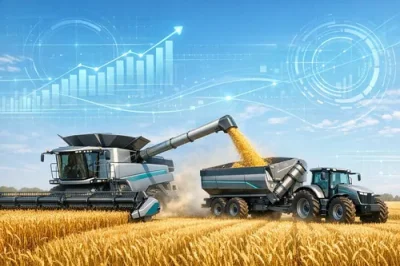
Crop Farming: Farm Machinery Finance
Crop farming in Australia often depends on reliable machinery for planting, harvesting, irrigation and production efficiency. Machinery finance may help eligible farming businesses spread the cost of equipment over time, but the right approach depends on cash flow, seasonal income patterns, loan terms and the farm's operational needs. - read more

Plantation and Forestry: Farm Machinery Finance
Australia is renowned for its vast plantations and thriving forestry industry. These operations require sophisticated machinery to efficiently manage and harvest resources. From tractors to harvesters, farm machinery plays an important role in supporting modern plantation and forestry operations. - read more

Tax, Depreciation and Security Concepts in Farm Machinery Finance
Farm machinery finance can involve tax, depreciation, GST, ownership and security concepts. This guide explains the main ideas Australian farmers may want to discuss with their accountant, broker or lender before choosing a finance structure. - read more
We got caught last year with auger capacity, so separating must-haves from nice-to-haves before chasing farm machinery loans makes a lot of sense.