
Farm Machinery Loans :: News
SHARE

Share this news item!

Stronger Crop Outlook Brings Harvest Equipment Decisions Forward

Why machinery timing, cash flow and lender readiness now matter

Stronger Crop Outlook Brings Harvest Equipment Decisions Forward?w=400

The information on this website is general in nature and does not take into account your objectives, financial situation, or needs. Consider seeking personal advice from a licensed adviser before acting on any information.

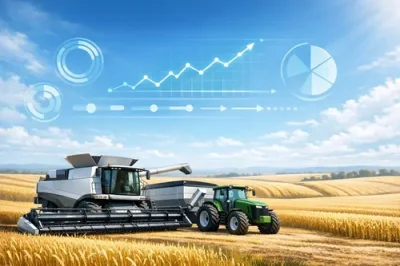
Recent rural industry updates suggest many grain growers are moving from seasonal watchfulness to practical harvest preparation, as improving crop conditions in several production regions sharpen attention on machinery capacity.
For farm businesses, that can quickly turn into a finance planning question: whether to repair, upgrade, buy used, or secure new equipment before seasonal demand tightens supply.

The timing matters. Headers, fronts, chaser bins, grain handling gear, tractors, sprayers and support vehicles are not impulse purchases. Even when a replacement is clearly justified, farmers still need to balance dealer availability, delivery windows, trade-in values, warranty cover and the risk of a breakdown during a narrow harvest period. A machine that arrives too late, or a finance approval that stalls, can have a direct impact on productivity.

For borrowers, the key issue is not simply the ticket price. It is whether the proposed finance structure matches the farm’s income cycle. A strong crop outlook may support confidence, but revenue still arrives unevenly and input costs remain significant. Before committing, growers should model repayments under different loan terms, residual settings and trade-in assumptions. Testing the numbers before signing can help identify whether a lower regular repayment creates a larger end-of-term obligation that may not suit the business.

This development also extends a broader theme already facing rural borrowers. The earlier rise in concessional lending costs reinforced the need to review total borrowing exposure, not just individual machinery purchases. When a farm already carries land, working capital or seasonal debt, another equipment facility should be assessed in the context of whole-business cash flow.

There are practical steps farmers can take now. First, prepare recent financials, production history and tax information before approaching lenders. Second, confirm whether the asset is being purchased for replacement, expansion or efficiency, as lenders may view each case differently. Third, compare fixed and flexible repayment options, including seasonal structures where available. Finally, consider the full cost of ownership, including transport, attachments, servicing, insurance, storage and any technology subscriptions linked to the machine.

For growers facing a potentially busy harvest, early planning can create more choice. The farms that line up finance, equipment specifications and delivery expectations ahead of peak demand are usually better placed to act quickly when the right machine becomes available.

Published:Friday, 31st Jul 2026
Author: Paige Estritori

Please Note: We do not endorse any specific products or companies. Some content is sourced from third parties, including press releases, and may not be independently verified for accuracy or completeness.

Share this news item:

Rate this article

0 Comments

No comments yet. Be the first to share your thoughts.

Finance News

Stronger Crop Outlook Brings Harvest Equipment Decisions Forward
31 Jul 2026: Paige Estritori
Recent rural industry updates suggest many grain growers are moving from seasonal watchfulness to practical harvest preparation, as improving crop conditions in several production regions sharpen attention on machinery capacity. For farm businesses, that can quickly turn into a finance planning question: whether to repair, upgrade, buy used, or secure new equipment before seasonal demand tightens supply. - read more
RIC Interest Rate Rise Sharpens Focus on Farm Finance Planning
24 Jul 2026: Paige Estritori
Australian farm businesses using concessional lending will need to factor in higher borrowing costs from 1 August 2026, after the Regional Investment Corporation announced its variable interest rate would rise from 5.18 per cent to 5.71 per cent. The change, announced on 20 July 2026, is the first increase to RIC loan rates in two years and applies across its loan products. - read more
Autonomous Farm Machinery Moves From Curiosity to Capital Planning
17 Jul 2026: Paige Estritori
Autonomous and semi-autonomous farm machinery is no longer a distant concept for Australian grain producers. Recent industry research highlighted by Grain Central shows more farm businesses are experimenting with automation, from GPS-guided equipment and autosteer to drones, robots and other systems designed to reduce labour pressure and improve operational efficiency. - read more
What On-Farm Electrification Means for Machinery Finance
10 Jul 2026: Paige Estritori
A new report highlighted by Grain Central has put on-farm electrification back in the spotlight, arguing that Australian farmers should prioritise electric machinery, vehicles and supporting energy infrastructure over a broad shift to biofuels. For producers already weighing up machinery replacement cycles, the message is not simply environmental. It is also a capital planning issue. - read more


Farm Equipment Finance Articles

Plantation and Forestry: Farm Machinery Finance
Australia is renowned for its vast plantations and thriving forestry industry. These operations require sophisticated machinery to efficiently manage and harvest resources. From tractors to harvesters, farm machinery plays an important role in supporting modern plantation and forestry operations. - read more
Crop Farming: Farm Machinery Finance
Farming in Australia is an essential and deeply ingrained part of the country's economy and culture. At the heart of modern agriculture is the need for reliable and efficient farm machinery. These machines are not only vital for increasing productivity but also essential for keeping up with the demands of crop farming. To acquire such machinery, many farmers look towards specialized finance options tailored for agricultural needs. - read more
Aquaculture: Farm Machinery Finance
Aquaculture is a growing industry in Australia, supported by the country's extensive coastline and abundant water resources. It plays an important role in supplying seafood to both domestic and international markets and encompasses a diverse range of operations, including fish, crustaceans, molluscs and algae farming. - read more
Livestock Farming: Farm Machinery Finance
Livestock farming is a significant component of Australia's agricultural industry, contributing billions of dollars to the economy annually. With vast landscapes and diverse climates, Australia is well-suited to raising cattle, sheep, poultry, and other livestock. Farmers across the country are constantly adapting to new challenges and opportunities in the market. - read more

Knowledgebase
Conventional Loan:
A type of mortgage loan that is not insured or guaranteed by the government.